Prepare the Site Properly
Proper site preparation establishes the conditions needed for safe and efficient construction. Clearing the work area, assessing ground conditions, arranging drainage, and confirming site measurements can prevent complications during later stages.
A well-prepared site also allows construction teams to organize equipment, store materials appropriately, and move between work areas more efficiently.
Follow the Construction Drawings
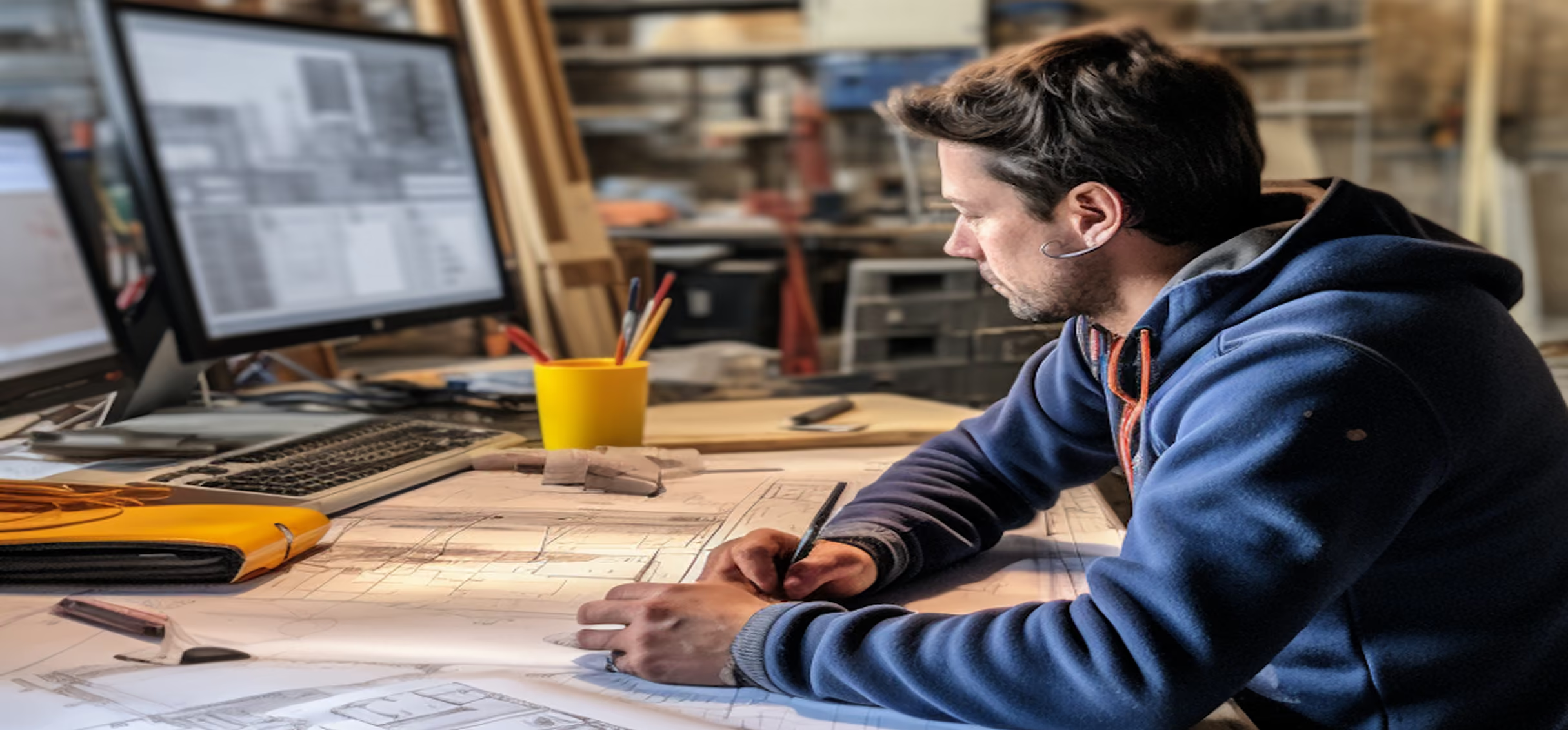
Accurate construction drawings provide essential guidance for dimensions, structural elements, layouts, and installation requirements. Reviewing these documents before beginning each stage helps workers understand the intended design and avoid unnecessary mistakes.
Any discrepancies or proposed changes should be reviewed by the appropriate design professional before work proceeds, particularly when structural components are involved.
Maintain Strong Site Coordination
Effective coordination helps different trades complete their work in the correct sequence. Clear communication between supervisors, contractors, electricians, plumbers, and other specialists reduces scheduling conflicts and prevents completed work from being disrupted by later activities.
Regular site discussions and progress updates also help teams resolve practical issues quickly and maintain a consistent workflow.
Monitor Workmanship and Quality
Quality checks throughout construction help ensure that completed work meets the required specifications. Inspecting materials, measurements, installations, and finishes at appropriate stages makes it easier to identify defects before they become more difficult or expensive to correct.
Keeping inspection records and addressing identified issues promptly supports better accountability and a more reliable finished building.
Prioritize Safety on Site
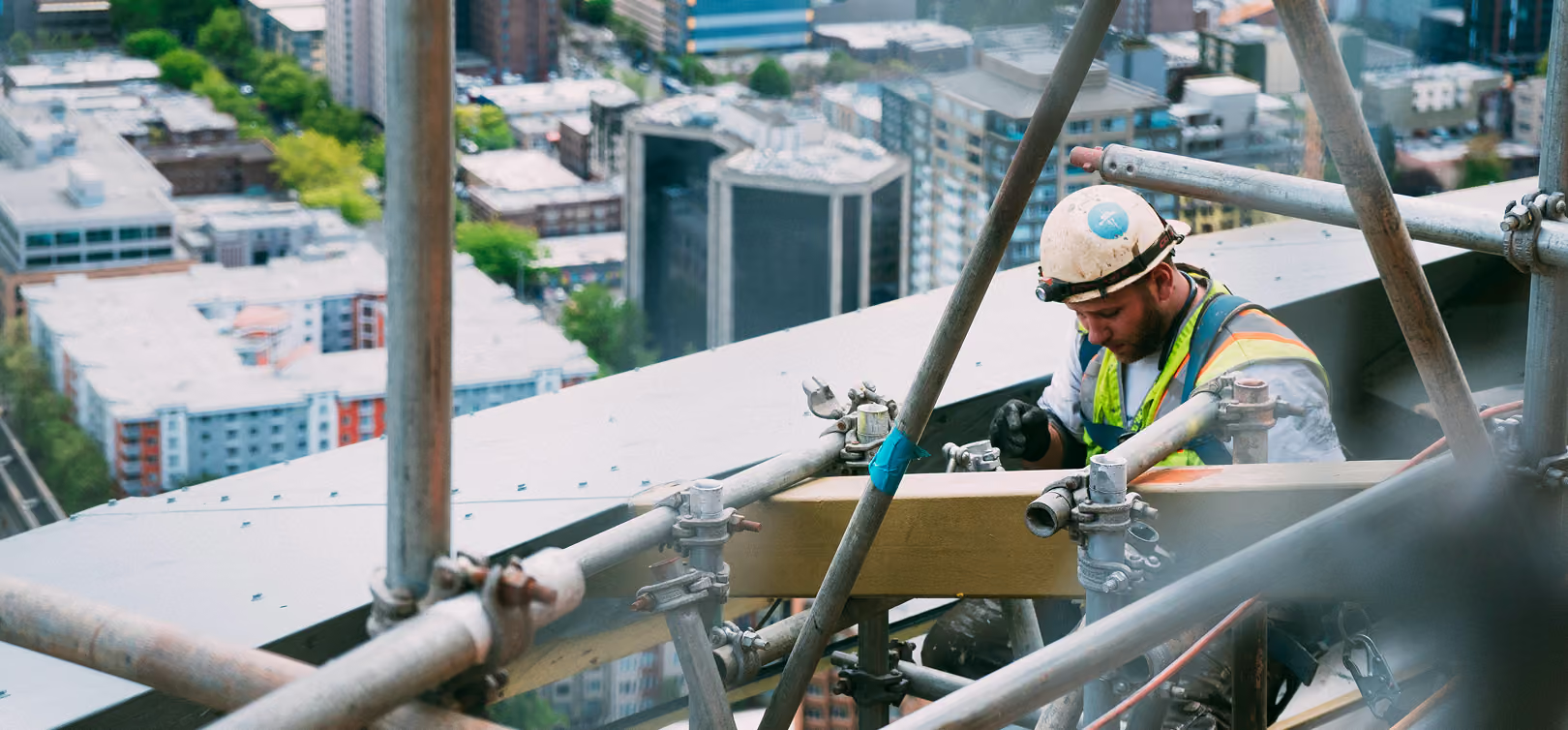
A safe construction environment requires proper planning, suitable protective equipment, and clear working procedures. Workers should receive appropriate safety training, understand site hazards, and follow established precautions when operating equipment or performing specialized tasks.
Maintaining tidy work areas, securing restricted zones, and conducting regular safety checks helps protect workers, visitors, and other people around the project.
Final Thoughts
Building successfully requires more than completing tasks on schedule; it means making careful decisions at every stage of construction. By selecting appropriate materials, preparing the site, following approved plans, monitoring quality, and maintaining safe working practices, project teams can create durable structures with greater confidence and consistency.