Integrating Smart Building Systems
Smart technologies are transforming buildings into more responsive and connected environments. Automated lighting, intelligent temperature controls, and advanced security systems allow occupants to manage their spaces with greater convenience.
Integrating these systems during the design stage helps create functional buildings that support everyday comfort and efficient operation.
Exploring Sustainable Building Materials
The demand for environmentally responsible construction materials continues to influence modern building practices. Recycled products, low-impact materials, and responsibly sourced resources provide alternatives for projects seeking more sustainable solutions.
Choosing appropriate materials can improve durability, reduce environmental pressure, and support responsible resource management over the building's lifetime.
Improving Energy Performance
Energy-conscious design plays an important role in developing efficient and comfortable buildings. Features such as high-performance windows, effective insulation, and natural ventilation help manage indoor temperatures and reduce unnecessary energy consumption.
Considering energy performance from the beginning allows project teams to create spaces that are more economical to maintain and comfortable throughout the year.
Using Digital Design Technologies
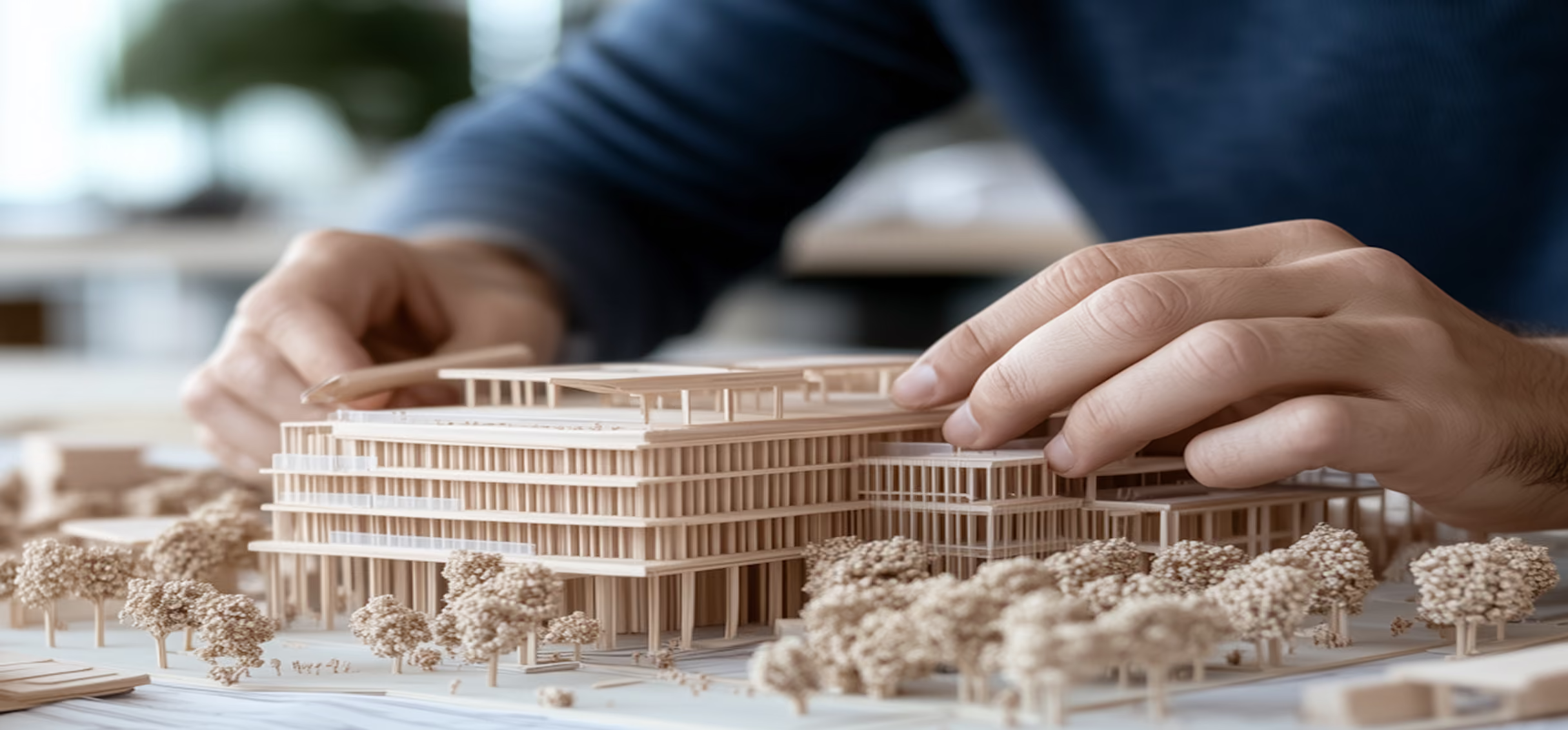
Digital tools are changing how construction projects are visualized, planned, and coordinated. Building Information Modeling (BIM) enables professionals to examine building components, share project information, and identify design conflicts before construction begins.
This improved visibility supports collaboration between disciplines and helps teams make better-informed decisions during each project phase.
Creating Adaptable Building Spaces
Flexibility has become an important consideration in residential, commercial, and mixed-use construction. Adaptable floor plans allow spaces to accommodate changing work patterns, family needs, and future functional requirements.
Thoughtful layouts help property owners make effective use of available space while allowing buildings to remain useful as their purposes evolve.
Final Thoughts
Modern construction trends reflect a growing focus on innovation, sustainability, and long-term building performance. By adopting suitable technologies, selecting responsible materials, and embracing flexible design, construction professionals can create buildings that respond effectively to today's needs and tomorrow's opportunities.